
Uncategorized
Diecast Collecting Trends Worth Watching in 2026
Oct
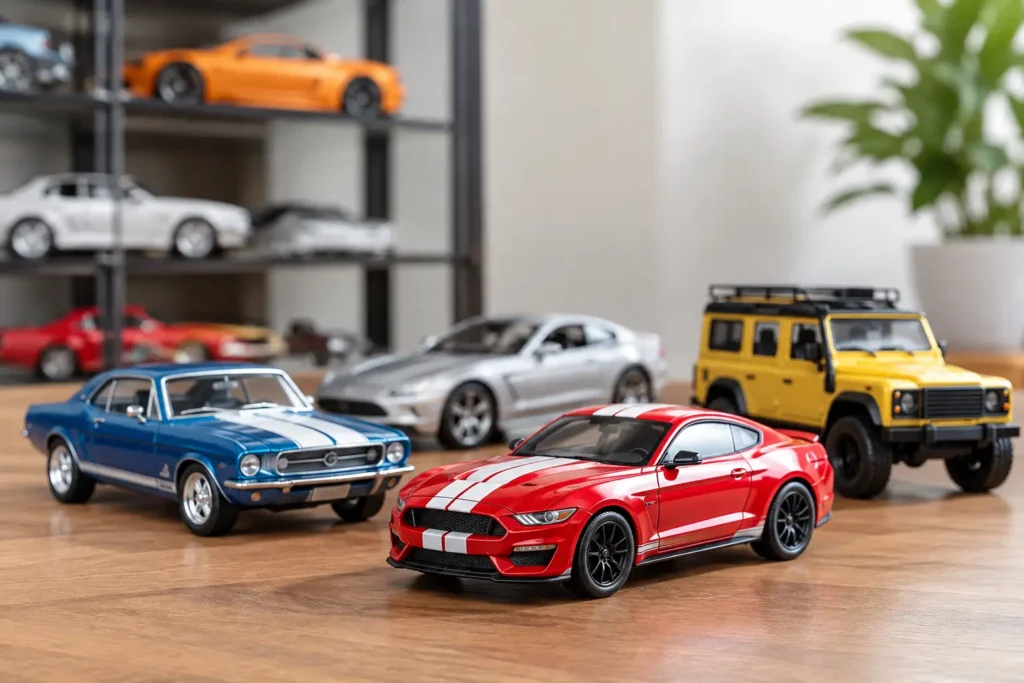
A loose card with the right casting can still stop a collector in their tracks. So can a 1/18 model with opening panels, accurate wheels, and a paint finish that gets the factory color just right. That mix of affordable hunt pieces and detail-rich display models is at the center of diecast collecting trends in 2026. Collectors are not moving in one direction. They are building collections with clearer themes, stronger personal connections, and a sharper eye for the exact release.
Diecast Collecting Trends Are Getting More Specific
Broad collecting has always been part of the hobby. A shelf filled with Ferraris, Mustangs, Porsche models, race cars, trucks, and the occasional aircraft can look fantastic. But many collectors are now narrowing their focus around a vehicle generation, a motorsport era, a scale, a manufacturer, or even a particular paint color.
That can mean chasing Chevrolet Corvettes from the C2 through C8 generations, building a lineup of every Porsche 911 variant in 1/18 scale, or concentrating on Japanese street cars from a favorite decade. For Hot Wheels fans, it may mean completing a Car Culture mix, finding a specific Get Low release, or tracking castings used across several series.
Specificity makes the collection easier to organize, but it also makes every new addition feel more meaningful. A model is no longer just a cool car. It becomes the missing year, livery, trim, or colorway that completes a story on the shelf.
Exact details matter more than ever
Collectors have always cared about condition, but the product details being watched are more precise than ever: model year, body style, wheel design, interior color, sponsor logos, driver name, series, production run, and scale. Two models of the same vehicle can have very different appeal if one represents a favorite race-winning livery or a factory color that was available for only a short time.
This is especially true with limited-production models and themed assortments. Before buying, experienced collectors compare the casting, packaging, release series, and photos rather than relying on a broad vehicle description. For gift buyers, those same details can make the difference between a model that is merely recognizable and one that feels personally chosen.
Premium Scales Still Have a Place on the Shelf
Smaller-scale diecast remains a major part of the hobby because it is accessible, easy to display, and full of variety. Yet premium 1/18 and 1/24 models continue to appeal to collectors who want more visual presence and construction detail.
A larger-scale Ferrari, Lamborghini, Ford Mustang, Mercedes-Benz, or BMW can serve as the centerpiece of a display. Opening doors, detailed engine bays, brake components, realistic interiors, and carefully applied decals add to the experience. The trade-off is simple: larger models cost more and require more shelf space. A collector in an apartment or a family sharing display space may prefer compact 1/64 releases, while someone building a dedicated display may prioritize fewer, more detailed pieces.
The strongest collections often combine both approaches. Premium-scale models can represent the true favorites, while smaller diecast fills out a racing grid, a street scene, a truck lineup, or a collection of paint variations.
Display value is part of the purchase
More collectors are buying with display planning in mind. Instead of adding models first and figuring out storage later, they are choosing a theme and deciding how it will be shown. A shelf of red Italian exotics, a row of classic American muscle, or a grid of Formula One cars looks more intentional when scale and presentation are consistent.
Packaging is part of that decision, too. Some collectors prefer carded models for wall displays or long-term preservation. Others open every model because the casting, not the package, is the point. Neither approach is more legitimate. The best choice depends on whether the goal is a clean display, an archive of releases, hands-on enjoyment, or future flexibility.
Motorsport Liveries and Real-World Stories Drive Demand
Race cars have an advantage over many civilian vehicles: they arrive with a built-in story. A driver association, a championship season, a famous endurance event, or an instantly recognizable sponsor design can turn a great replica into a must-have piece.
Collectors are paying close attention to Formula One, endurance racing, rally, NASCAR, drag racing, and vintage competition vehicles. The appeal is not limited to the fastest or rarest car. A model can earn a place in a collection because it represents a first win, a favorite driver, a home-track memory, or a race watched with family.
That same storytelling applies to road cars. A 1969 Camaro, a Fox Body Mustang, a Jeep Wrangler, or a Volkswagen Bus can connect to a real vehicle someone owned, wanted, or remembers from childhood. Nostalgia remains one of the hobby’s strongest drivers, but it is becoming more personal than generic.
Trucks, Construction Equipment, and Aircraft Keep Expanding the Hobby
The most interesting collecting trend may be how far beyond sports cars the hobby reaches. Custom trucks, lifted pickups, farm and construction equipment, buses, military vehicles, and commercial aircraft all attract serious collectors.
Truck fans often look for exact cab styles, wheel treatments, trailer pairings, and custom paint. Construction-model collectors pay attention to machinery type, working features, manufacturer markings, and scale compatibility. Aviation collectors may focus on airline liveries, aircraft type, historical eras, or a favorite Boeing or Airbus aircraft.
These categories also create great opportunities for themed displays. A construction scene can pair excavators, loaders, dump trucks, and work vehicles. An airport display can combine passenger aircraft, ground equipment, and buses. The fun comes from building a setting, not only acquiring individual models.
Smart Buying Beats Chasing Every Release
The fast pace of new releases can make it tempting to buy every model tied to a favorite brand. That is rarely the most satisfying long-term strategy. The collections that stay enjoyable are usually built around priorities.
A practical approach starts with a few questions: Does this model fit the theme? Is it a casting or vehicle I genuinely like? Does it add a new year, livery, or color to the display? Would I rather buy this now than save for a premium model later?
For limited editions and popular series, timing matters. If a release fits a defined collection, waiting too long can make it harder to find. But scarcity alone should not decide the purchase. A limited piece that does not fit the collection can quickly become shelf clutter.
Keeping a wish list is one of the simplest ways to collect with purpose. It helps separate true priorities from impulse buys, especially when several new releases arrive at once. It also makes gift shopping easier for family members who want to choose the right model without guessing at every detail.
Condition, Authenticity, and Organization Matter
As collections become more focused, collectors are putting more effort into care and recordkeeping. Sunlight, dust, humidity, and crowded shelves can affect models and packaging over time. Basic display cases, protective storage, and sensible spacing go a long way.
Organization does not need to be complicated. Some collectors sort by make, scale, series, or decade. Others track their collection in a notebook or spreadsheet with the model name, year, color, manufacturer, and purchase date. For a large collection, a simple inventory can prevent accidental duplicates and reveal what is still missing.
Authenticity matters most when pursuing older, hard-to-find, or premium releases. Check the manufacturer, scale, packaging details, and description before buying. A clear product title that identifies the vehicle year, trim, color, series, and manufacturer gives collectors a better starting point than vague labels ever can.
Build the Collection You Want to Revisit
The best diecast collections are not always the largest or the rarest. They are the ones with a point of view. Maybe that is a garage of German performance cars, a wall of carded Hot Wheels, a fleet of vintage commercial trucks, or a carefully chosen lineup of race cars from one unforgettable season.
At Diecast Moto, the variety of cars, trucks, aircraft, construction equipment, and collector-focused releases makes it easier to follow a theme without limiting the fun. Leave room for the occasional surprise find, but let your favorite castings, colors, and real-world memories set the direction. The model you keep looking at after the display is finished is usually the right one to collect next.
