
Uncategorized
Movie Car Diecast Review: What Makes It Worth Buying
Oct
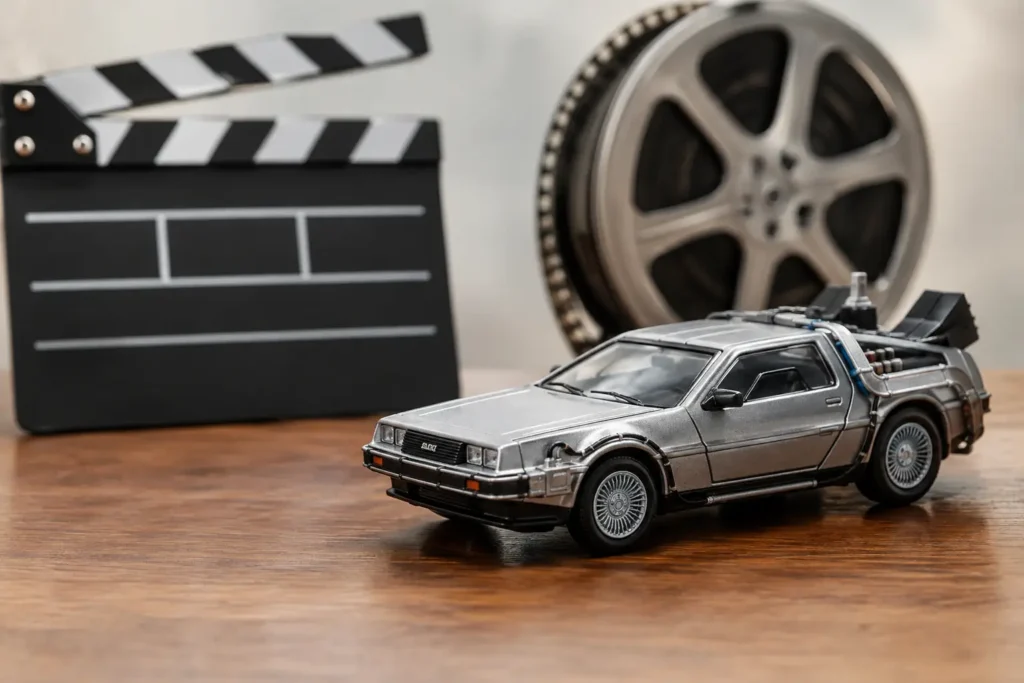
A great screen car has to work twice as hard as an ordinary model. It needs to look right as a vehicle, then immediately bring back a chase scene, a garage reveal, or a favorite character behind the wheel. That is why a movie car diecast review should look beyond a familiar name on the box. The best piece captures the details that made the car memorable on screen while still earning a place in a serious collection.
For some collectors, that means a 1/18 hero car with opening panels and a detailed engine bay. For others, it is a compact 1/64 release that completes a film-and-television display without taking over a shelf. The right choice depends on how you collect, what you want to display, and which details matter most to you.
Why movie cars deserve a closer look
Movie vehicles are rarely just transportation. A black muscle car can signal menace. A bright sports car can define an era. A battered truck, police sedan, or custom van can become as recognizable as the actors who drove it. That recognition creates demand, but popularity alone does not make a diecast collectible worth buying.
Screen-used cars are often modified, and the details are where a replica succeeds or falls short. Wheel style, ride height, bumper treatment, light bars, hood graphics, auxiliary lamps, weathering, and license plates may all be essential to the vehicle’s identity. A casting that gets the body shape right but skips the signature parts can still look like a nice model car. It may not look like the car collectors remember.
Licensing also matters. A release may be officially tied to a movie or television property, or it may simply resemble a well-known screen vehicle. Neither option is automatically better, but they serve different purposes. Official releases usually offer stronger display appeal and more specific packaging. A non-licensed version can be a fun stand-in, especially when the exact vehicle has never received a diecast release.
Movie car diecast review: the details to check
Start with scale. A 1/64 movie car is easy to collect in numbers, store in protective cases, and arrange by franchise or decade. It is often the best choice for collectors building a wide lineup of muscle cars, imports, trucks, and movie-themed Hot Wheels releases. The trade-off is that interior work, opening features, and fine screen-specific details may be simplified.
A 1/24 model provides more presence without demanding the room of a larger piece. It can be a practical gift size, particularly for a fan who wants a recognizable car on a desk or bookshelf. At 1/18, manufacturers have room for separate lenses, tampo-printed markings, detailed dashboards, realistic brake components, and opening doors, hood, or trunk. These models reward close inspection, but they need more display space and usually cost more.
Next, study the body and stance. Does the roofline look correct? Are the wheels appropriately sized and placed in the arches? Does the model sit at the same height as the screen vehicle? A diecast can have excellent paint and sharp graphics yet lose the character of the original because it rides too high or uses generic wheels.
Paint and decoration deserve the same scrutiny. Movie cars often have a finish that is more specific than it first appears: satin black rather than gloss black, faded red rather than bright red, a two-tone graphic, race-style decals, or a deliberately worn exterior. Clean paint application, centered stripes, crisp logos, and consistent panel color are signs of a better release. Weathering can add character when it matches the screen vehicle, but it should look intentional rather than like a factory flaw.
Interior accuracy is especially valuable on open-top cars, race cars, and models with large windows. Look for the right seat color, steering wheel, dashboard layout, roll cage, shifter, or visible prop equipment. At smaller scales, painted windows and simplified interiors are normal. The question is not whether every model has premium-scale detail. It is whether the level of detail fits the scale, price, and intended display role.
Construction, features, and what they really add
A diecast metal body is often a draw, but weight is not the whole story. Plastic parts can improve accuracy when used for grilles, spoilers, mirrors, light bars, engine pieces, and interior details. What matters is clean assembly. Doors should sit flush, wheels should roll evenly when the model is designed to roll, and small parts should be straight and securely fitted.
Opening features are a bonus only when they reveal something worth seeing. A hood that opens onto a simplified, unpainted engine bay may not add much. On the other hand, an opening hood that reveals a recognizable supercharger, V8 layout, or movie-specific engine treatment can turn a display piece into a conversation starter.
Check the underside too, particularly on larger scales. Basic chassis detail is common, but exhaust routing, suspension components, driveline parts, and readable manufacturer markings show added care. Collectors who display models in clear cases may never see the base often, yet those details support the feeling that the model was built as a replica rather than a toy alone.
Packaging matters, especially for collectors
Packaging is part of the release for many movie-car collectors. A branded card, character artwork, a film logo, or a display box with the exact vehicle name can make a model feel more complete. This is especially true for limited editions, convention releases, and series-based diecasts.
Carded collectors should inspect blister condition, card corners, hang tabs, and any creasing before committing to a piece. Box collectors will care about dents, window scratches, faded printing, and whether inserts are present. If you open everything, packaging condition may be less important, although keeping it can help identify the exact version later.
There is no wrong approach. Opening a model lets you appreciate its profile and details without reflections from plastic packaging. Keeping it sealed preserves the release presentation and can make organizing a collection easier. Decide before buying, because chasing a perfect sealed example after opening one is an expensive way to learn your preference.
Rarity is useful, but it should not lead the decision
Limited production, exclusive colorways, and discontinued castings can make a movie car harder to find. That can add excitement, especially when you are hunting a specific release to finish a themed shelf. Still, rarity should support your interest in the model, not replace it.
A common casting with accurate wheels, correct screen graphics, and strong build quality is often more satisfying than a scarce release that only loosely resembles the vehicle you wanted. Buy the version you will enjoy seeing every day. If it later becomes harder to find, that is a bonus rather than the entire reason it belongs in your collection.
For gift buyers, screen recognition is usually the safest starting point. Choose a vehicle tied to the recipient’s favorite film, era, or automotive style, then select a scale that suits their available space. For experienced collectors, exact trim, manufacturer, series name, and packaging variation may matter more than the franchise itself.
Build a display with a point of view
Movie cars look their best when they are displayed with some intention. A shelf of black screen vehicles can highlight how different filmmakers use the same color and attitude. A row of 1980s and 1990s hero cars can pair exotics, muscle cars, and imports in a way no single automotive category could. You can also organize by franchise, scale, director, racing scenes, or vehicles from a single decade.
Keep direct sunlight away from painted surfaces and printed graphics, and use stable shelves that will not crowd mirrors, spoilers, or antennae. Clear cases help with dust, particularly for 1/18 pieces with open interiors. For carded 1/64 releases, uniform protectors can make a mixed collection look organized while preserving the card art.
The most rewarding movie-car model is not always the rarest or largest one. It is the release that gets the details right enough to make you pause, recognize the scene, and make room for it on the shelf.
