
Uncategorized
1/18 Scale Model Cars: What Collectors Should Know
Jul
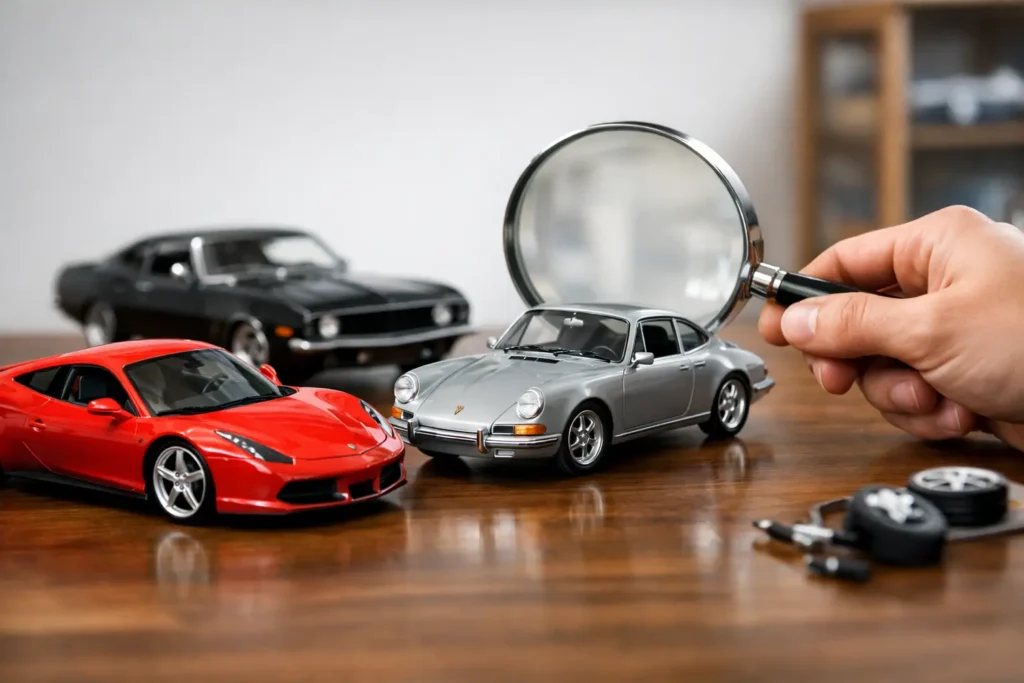
A 1/18 scale model car is large enough to make the details count. Open the door on a well-made replica and you can see the seat stitching, dashboard layout, brake hardware, engine bay, and trim that disappear at smaller scales. That is the appeal: these models do more than represent a favorite vehicle. They let collectors study it, display it, and build a garage around the cars, eras, and racing stories they care about.
For a Mustang fan, that may mean lining up generations of fastbacks. For a motorsport collector, it may mean finding the exact driver, race livery, and championship season. For someone buying a gift, a 1/18 replica can be the right balance of visual impact and recognizable detail. Still, not every model is built to the same standard, and the best choice depends on what matters most in your collection.
Why 1/18 Scale Model Cars Stand Out
At 1/18 scale, one inch on the model represents 18 inches on the real vehicle. A typical passenger car measures roughly 9 to 12 inches long, though the final size depends on the vehicle itself. A long American luxury car, full-size pickup, or classic muscle machine will take up more shelf space than a compact Porsche, BMW, or modern Formula One car.
That larger footprint gives manufacturers room to recreate features that define the real vehicle. Depending on the release, collectors may find opening doors, hood, trunk, or tailgate; a detailed engine; working steering; rubber tires; painted brake calipers; fabric seat belts; and carefully printed gauges or decals. Premium releases can also capture paint depth, carbon-fiber textures, wheel finishes, and interior colors with a level of presence that is difficult to achieve in 1/64 or 1/43 scale.
The trade-off is simple: 1/18 scale requires commitment. These are not models to pack into a small display case by the dozen. They need shelf depth, protection from dust, and a plan for where the next purchase will go. For many collectors, that limitation is part of the fun. Every addition has to earn its space.
What to Look for Before You Buy
The name on the box is only the beginning. A model listed as a 1969 Chevrolet Camaro, 1992 Ferrari F40, or 2023 Ford Bronco may have very different features depending on the manufacturer, edition, and price point. Read the full product identification before adding it to the collection: model year, trim, body style, color, livery, scale, manufacturer, and whether it is a limited edition all matter.
Accuracy starts with the exact vehicle
Collectors often regret buying the “close enough” version when the exact car becomes available later. A different year can mean new headlights, bumpers, wheels, badging, interior design, or engine options. The same is true for race cars. A replica associated with one driver or one Grand Prix may wear a different sponsor layout, number panel, tire branding, or aerodynamic package than another car from the same season.
If you collect by marque, be specific about your lane. You might focus on Corvette generations, Porsche 911 variants, classic Ford pickups, Lamborghini V12 cars, JDM icons, or a single racing team. Specificity makes a display feel intentional and helps you avoid buying models that are impressive on their own but do not fit the collection you want to build.
Diecast quality is about more than weight
A heavier model can feel substantial, but weight alone does not tell you whether the replica is well executed. Look closely at panel gaps, paint application, tampos, chrome trim, wheel alignment, and the sharpness of small printed details. On a quality 1/18 model, wheels should sit correctly in the arches, tires should look proportional, and decals should be clean rather than fuzzy or misaligned.
Opening features are another point of comparison. A fully opening model lets you enjoy the engine, trunk, and cabin, while a sealed-body release may offer a cleaner exterior silhouette and finer body proportions at its price level. Neither approach automatically wins. If you enjoy photographing interiors or displaying hoods open, functional panels have real value. If your priority is exterior accuracy and a clean lineup, a sealed model can be an excellent choice.
Limited editions deserve context
A numbered limited edition can be appealing, particularly when it represents a special color, anniversary release, race-winning car, or discontinued casting. But a low production number does not guarantee long-term value. Desirability comes from the vehicle, the quality of the model, the manufacturer, condition, and how many collectors are actively looking for that exact release.
Buy limited pieces because they belong in your collection, not only because the box says limited edition. A rare colorway that you genuinely enjoy will remain satisfying on the shelf even if resale prices move around.
Choosing a Theme for Your Display
A focused collection is easier to expand and more enjoyable to show off. It also makes buying decisions faster. Rather than asking whether every new release is “cool,” ask whether it strengthens the story your display tells.
A road-car collection might follow the evolution of a single nameplate, such as a Chevrolet Corvette from C1 through C8 or a Ford Mustang from early pony cars to modern performance trims. Another collector may group vehicles by country, with American muscle on one shelf, German performance cars on another, and Japanese sports cars in a separate section.
Motorsport themes offer even more possibilities. You can build around Formula One drivers, endurance racing, NASCAR legends, rally cars, or factory race teams. Matching a car to its correct driver figure, pit accessory, helmet display, or race-era backdrop can turn one model into a compact scene without making the display feel crowded.
For gift buyers, start with a recognizable connection. The recipient’s first car, dream car, favorite racing driver, or a vehicle they owned with a parent is usually a stronger choice than a model selected only for rarity. A red Ferrari, black Cadillac, blue Ford truck, or classic Volkswagen can carry a personal story that makes the gift memorable.
Displaying 1/18 Scale Model Cars Without the Clutter
Plan for depth as well as width. Most 1/18 models need a shelf that is at least 12 inches deep, especially if you want the doors or hood open. Leave breathing room between cars so mirrors, spoilers, and antenna details are less likely to catch when you move one model. A packed shelf may hold more pieces, but it hides the body lines and makes cleaning harder.
Glass-front cabinets offer strong dust protection, but open shelves can work well if they are cleaned regularly. Keep models away from direct sunlight. UV exposure can fade paint, decals, interiors, and packaging over time. Avoid spots near heating vents, damp basements, or high-traffic edges where a model can be bumped.
Consider how you use original boxes. Keeping packaging is smart for collectors who may move, rotate displays, or eventually sell a model. Store boxes flat and dry, with the model’s name visible on the end panel. If space is tight, keep the boxes for limited editions, older releases, and higher-value pieces first.
Care, Handling, and Common Mistakes
Handle a 1/18 model from the base whenever possible. Grabbing the roof, mirror, wing, or open door puts pressure on parts that were designed for display, not repeated handling. When opening a hood or door, use a gentle touch and do not force a panel past its natural stopping point.
Dust is the everyday enemy. A soft makeup brush, clean detailing brush, or gentle air blower can remove loose dust from wheels, grilles, dashboards, and engine bays. Avoid household cleaning sprays, paper towels, and harsh solvents. They can scratch clear plastic, dull paint, or damage printed graphics.
Watch for a few avoidable problems: rubber tires can mark some display surfaces over long periods, adhesive can fail in heat, and overly bright lights can fade interiors. A neutral display surface and moderate LED lighting are usually safer than direct sun or hot halogen bulbs.
The best 1/18 scale model cars reward a collector who pays attention to the details before and after purchase. Choose the exact version that means something to you, give it room to be seen, and let each new release add a clear chapter to the garage you are building.
