
Uncategorized
Ultra Hots versus Car Culture for Collectors
Oct
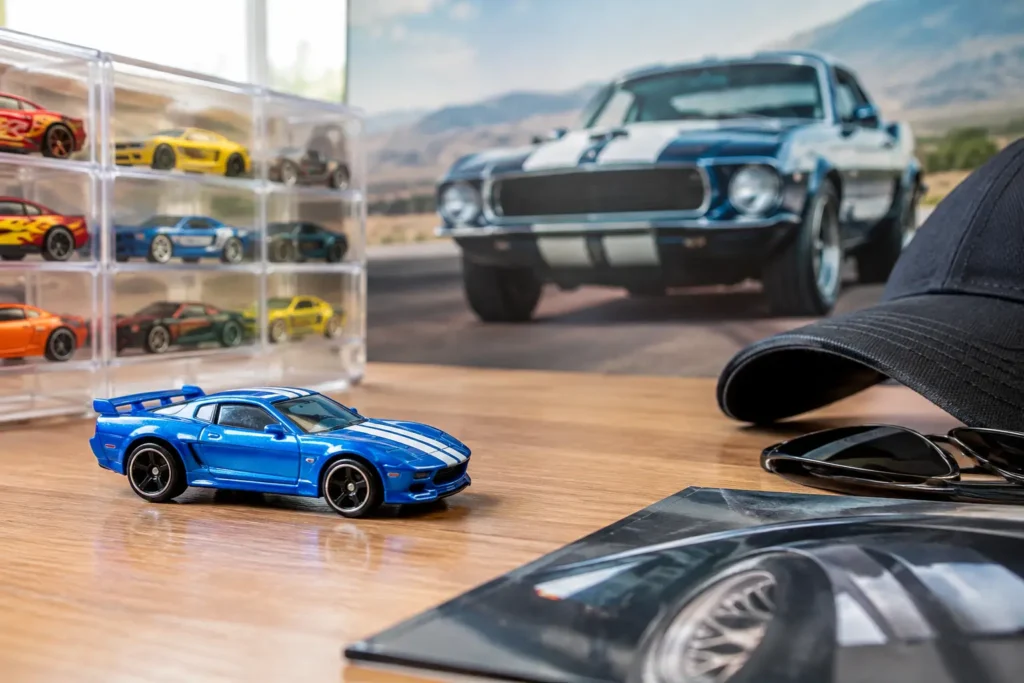
A bright Spectraflame-style finish, a deep-dish wheel, and a familiar licensed casting can stop a collector in the aisle just as fast as a premium Real Riders release. That is what makes Ultra Hots versus Car Culture a real collecting question rather than a simple choice between a less expensive line and a premium one. Both series put serious personality on a small scale, but they reward very different kinds of collections.
For some collectors, Ultra Hots is the fun of Hot Wheels history filtered through current castings: bold colors, retro flavor, and wheels that instantly set a model apart. For others, Car Culture is about accurate themes, detailed graphics, and the satisfying weight of a premium build. The right pick depends on whether your display is driven by individual cars, a specific automotive scene, or the pursuit of complete sets.
Ultra Hots versus Car Culture: the core difference
The quickest distinction is construction and presentation. Car Culture is Hot Wheels’ premium line, generally built around metal body and metal chassis construction, Real Riders rubber tires, licensed vehicles, and themed assortments. These releases are made for collectors who notice wheel choice, tampo placement, period-correct liveries, and the way a casting looks parked next to other detailed 1/64 models.
Ultra Hots sits closer to the mainline side of Hot Wheels collecting, although it does not look ordinary. The series is known for vibrant transparent-style paint finishes, vintage-inspired packaging, and its own distinctive wheel treatment. It often gives familiar cars a custom-show look that feels rooted in the classic redline and 1970s Hot Wheels spirit. Construction, wheel materials, and release details can vary, so collectors should always check the package description rather than assume an Ultra Hots model has premium-spec components.
That difference changes the experience. Car Culture tends to ask, “Which automotive story does this car belong to?” Ultra Hots asks, “How great does this casting look in this color?” Neither approach is better. They simply fit different collector instincts.
What Ultra Hots does especially well
Ultra Hots shines when a casting benefits from color and stance. A muscle car, custom pickup, street machine, or classic coupe can look completely different under a translucent finish than it does in factory paint. The special wheels give the line a uniform visual identity, so a small group of assorted vehicles can still look intentional on a shelf.
This makes Ultra Hots especially appealing to collectors who buy by casting rather than by full set. If you already collect Camaros, Mustangs, Corvettes, Volkswagens, or Japanese favorites, an Ultra Hots release can become the standout version in a larger casting run. The appeal is not always strict realism. It is visual impact and Hot Wheels heritage.
The line can also be an approachable way to build a color-focused display. A row of metallic blues, greens, purples, and reds has more pop than a typical parking-lot-style arrangement. For gift buyers, that instant shelf presence matters. Someone does not need to know every release history to recognize that an Ultra Hots car looks special.
There is a trade-off. Because Ultra Hots often leans into a custom aesthetic, it may not be the first choice for collectors who want factory-correct wheels, authentic race markings, or a display organized around a specific motorsport era. A bright custom finish can be exactly the point, but it can also clash with a realistic garage, dealership, or diorama scene.
Best reasons to collect Ultra Hots
Ultra Hots makes the most sense when you want a favorite casting in an eye-catching finish, enjoy retro Hot Wheels design language, or want to create a vivid display without committing to one automotive theme. It is also a smart lane for collectors who prefer picking the releases they genuinely like instead of feeling pressure to chase every assortment.
Why Car Culture has premium appeal
Car Culture is built around themed collecting. An assortment may center on Japanese street cars, European touring machines, classic trucks, German performance vehicles, or a recognizable moment in automotive culture. That framework gives each release a reason to sit beside the others. A single car can be excellent on its own, but the set often tells a more complete story.
The premium details are a major part of the draw. Real Riders tires add a more authentic profile than standard plastic wheels, while metal chassis construction gives the model tangible heft. Decorative work tends to be more involved, particularly on race cars and branded street builds where sponsor logos, stripes, and small exterior details matter.
For adult collectors, Car Culture can bridge the gap between childhood Hot Wheels memories and a more focused diecast collection. A Porsche, Mercedes-Benz, BMW, Toyota, Nissan, Chevrolet, or Ford casting can fit beside larger 1/18 or 1/24 display models while still occupying very little space. It is compact, collectible, and often tied to a theme that automotive fans already understand.
The trade-off is cost and collecting pressure. Premium releases usually cost more than standard-card releases, and a popular assortment can disappear quickly. Completing a Car Culture set may be satisfying, but it can also lead to buying vehicles you would not otherwise choose. If only two cars in a five-car mix fit your collection, buying selectively may be the better move.
Best reasons to collect Car Culture
Car Culture is the stronger choice for collectors building a themed 1/64 display, prioritizing rubber tires and premium construction, or seeking specific licensed vehicles in detailed liveries. It is also a natural fit for motorsport fans and collectors who enjoy keeping complete assortments together in their original packaging.
Choose by your collection goal, not the card price
It is easy to frame Ultra Hots as the value choice and Car Culture as the premium choice, but that misses why each line works. A reasonably priced Ultra Hots release of your all-time favorite casting may bring more long-term satisfaction than a premium car chosen only because it is hard to find. Likewise, a Car Culture model with the right period livery can be the centerpiece of a collection even if it costs more up front.
Start with the question your shelves already answer. If you collect by manufacturer, look at which line gives your favorite marque the better treatment. If you collect by era, decide whether you want custom nostalgia or a more realistic period presentation. If you collect by color, Ultra Hots may provide more visual unity. If you collect by automotive scene, Car Culture usually offers the clearer narrative.
Packaging preferences matter too. Ultra Hots cards carry much of the series’ retro character, while Car Culture packaging often reinforces the theme and premium status of the release. Carded collectors should inspect corners, blisters, and card art before purchasing. Loose collectors can concentrate on paint, wheel alignment, tampo quality, and whether the casting displays cleanly from the angle they prefer.
A practical buying strategy for both lines
There is no rule that says a collection must choose one series. In fact, the strongest displays often use both with intention. Car Culture can provide the realistic foundation: race cars, street cars, trucks, and themed groups with premium wheels and detailed decoration. Ultra Hots can add the expressive pieces that pull the eye across the display case.
Avoid treating every release as mandatory. Make a short want list based on casting, color, make, theme, and budget. If you collect Chevrolet muscle, for example, an Ultra Hots custom-style Camaro may deserve space beside a Car Culture Chevrolet race car because each represents a different side of the brand. The same principle works for Ford, Volkswagen, Porsche, Toyota, and many other collector favorites.
For sealed collectors, consider buying an extra only when it has a purpose: one for the carded display and one for a loose themed shelf, or one as a future trade piece. Buying duplicates just because a release feels scarce can turn a focused hobby into clutter. Condition, personal relevance, and display plans are usually better guides than hype.
Availability also changes the decision. If a Car Culture assortment is difficult to locate, buying the exact castings you want individually may save frustration and prevent unwanted extras. If an Ultra Hots release is sitting on the peg and you love the finish, do not dismiss it because it is easier to find. Accessible releases are often the ones collectors later wish they had enjoyed more while they were available.
Build the display you want to see
Ultra Hots and Car Culture are not rivals in the sense that one has to lose. They represent two valuable sides of Hot Wheels collecting: expressive custom style and detailed automotive storytelling. Ultra Hots brings color, retro energy, and casting-first fun. Car Culture brings premium materials, cohesive themes, and a more realistic presentation.
A collection earns its character from the choices behind it. Pick Ultra Hots when the paint, wheels, and throwback attitude make you stop and look twice. Pick Car Culture when the casting, livery, and theme belong in the automotive world you are building. The best next addition is the one that makes you want to rearrange the shelf and admire it again.
