
Uncategorized
How to Choose Diecast Construction Equipment Models
Jul
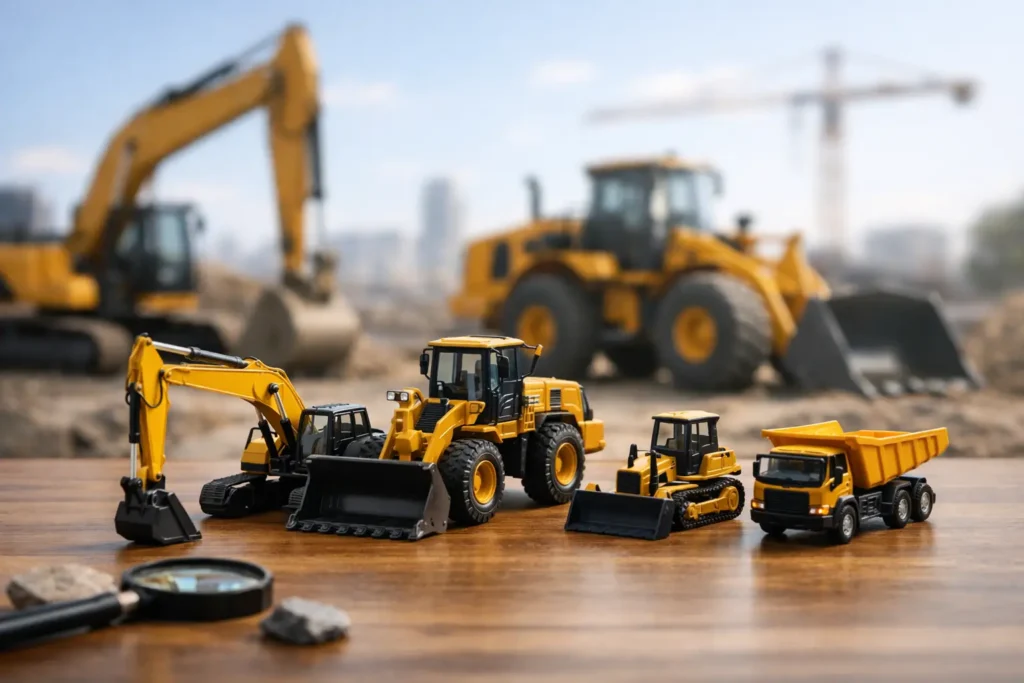
A 1/50 excavator with a working boom, detailed hydraulic lines, and authentic manufacturer markings can hold attention far longer than its footprint suggests. That is the appeal of diecast construction equipment models: they turn the machines seen on job sites, quarries, highways, and farm roads into collectible pieces with real presence.
For some collectors, the goal is a clean lineup of yellow Caterpillar machines. For others, it is a complete construction scene with dozers, wheel loaders, dump trucks, graders, cranes, and lowboy trailers. Gift buyers may simply want one impressive machine for someone who works in the trades. The right choice depends on scale, detail level, brand preference, and what the model will do once it arrives – sit in a display case, join a diorama, or become the centerpiece of a themed collection.
Start With the Scale That Fits Your Collection
Scale is the first specification to check because it determines how a model looks beside the rest of your collection. In construction diecast, 1/64, 1/50, and 1/87 are common choices, although larger and smaller scales also appear.
A 1/64 construction model is compact, affordable, and easy to display with diecast trucks, farm equipment, or other small-scale vehicles. It works especially well for collectors who want variety: a fleet of machines, several construction vehicles, and supporting pieces such as trailers or service trucks without giving up an entire shelf.
At 1/50, the equipment becomes more substantial. This is a favorite scale for collectors who want visible cab interiors, articulated steering, opening panels, detailed tracks or tires, and moving booms. A 1/50 excavator or wheel loader has enough size to show its engineering while still fitting comfortably in a cabinet. If you collect 1/50 trucks, this scale also makes it easier to build realistic hauling and job-site pairings.
Smaller 1/87 models suit railroad layouts, architectural scenes, and tight display spaces. They can be remarkably detailed for their size, but the finer parts are naturally less dramatic than those on a 1/50 piece. Larger scales offer more visual impact, though they demand more room and often carry a higher price.
The practical rule is simple: buy the scale you will enjoy seeing together. A single standout model can cross scales without much trouble. Once you begin building fleets, matching scale makes the display look intentional.
What Makes a Construction Model Worth Collecting?
Not every diecast machine is designed for the same buyer. A durable, simplified model may be perfect for a younger enthusiast or a hands-on display. A collector-grade release is usually built for close inspection, with a sharper focus on accurate proportions, paint, markings, and functional parts.
Look first at the machine type and configuration. An excavator can have a standard boom, long-reach boom, demolition attachment, or specialty bucket. A dump truck may be articulated or rigid-frame. Even a familiar wheel loader can look completely different depending on its bucket, tire setup, cab design, and generation. Those details matter when you are collecting a favorite manufacturer or recreating equipment you have operated in real life.
Paint and graphics also separate an ordinary piece from a memorable one. Manufacturer logos, safety striping, warning labels, model numbers, operator controls, and realistic hydraulic detailing give a model the finished look collectors notice. Limited-production versions, special anniversary markings, and dealer-style colorways can add another reason to collect, but rarity alone should not decide the purchase. A model you genuinely like will stay satisfying after the excitement of a hard-to-find release fades.
Moving features are another consideration. Articulated frames, opening engine covers, rotating upper structures, tilting dump beds, adjustable blades, and posable booms make construction equipment especially fun to display. More moving parts can mean more delicate pieces, however. If the model will be handled often, choose one with sturdy construction and avoid forcing joints beyond their natural range.
Diecast, Plastic, and Mixed-Material Details
The word diecast usually signals a metal body or major metal components, but materials vary by manufacturer and model. Plastic is often used for mirrors, handrails, hoses, lights, interiors, buckets, and small accessories. That is normal and can be necessary to capture fine detail.
What matters is how the materials work together. A quality model should feel balanced, sit level, have clean paint application, and show parts that fit properly. Fine plastic railings and grab handles can look excellent, but they require careful handling. For collectors who prefer a heavier, more solid feel, check photos and product specifications closely before selecting a model.
Build a Fleet With a Clear Theme
Construction collecting gets more rewarding when each new piece has a place in the bigger picture. You do not need to buy every machine type. A focused theme gives your shelves character and helps you make better choices when new releases appear.
A road-building collection might center on motor graders, asphalt pavers, rollers, wheel loaders, and dump trucks. A quarry display could feature large excavators, articulated dump trucks, loaders, and crushers. A utility fleet may lean toward compact excavators, skid steers, backhoes, and service vehicles. You can also collect by brand, era, color family, scale, or machine category.
Pairing equipment with transport vehicles creates another layer of realism. A tracked excavator loaded on a lowboy trailer, a wheel loader beside a dump truck, or a crane arriving with support vehicles tells a fuller story than a single machine on its own. The match does not need to be perfect to be enjoyable, but keeping the scale consistent makes a major difference.
For collectors who also enjoy cars, trucks, or aircraft, construction models bring a useful change of pace. Their shapes are functional rather than aerodynamic, and their appeal comes from mechanisms, working surfaces, and the scale of the real-world machines they represent. Diecast Moto makes it easier to browse across those categories while keeping a collection tied together by scale, manufacturer, or transport theme.
Inspect the Details Before You Buy
Online shopping gives collectors access to a wider range of models, but it also makes accurate product identification essential. Read the complete model name, not just the headline image. The scale, manufacturer, machine designation, color, series, and included accessories can all affect whether a piece is the exact release you want.
Pay attention to whether the model is new, limited edition, or part of a numbered series. If you are trying to complete a manufacturer lineup, confirm the specific machine generation. Construction equipment often changes visually over time, from cab shape and exhaust treatment to decals and safety equipment. Two models with nearly identical names can represent very different machines.
For display-focused collectors, dimensions matter as much as scale. A long-reach excavator may take up far more shelf depth than a standard excavator. A mobile crane can be tall even with its boom stored. Measure your cabinet, shelf, or diorama base before buying a large piece, especially if you plan to keep the original box nearby.
Condition is also worth protecting from the start. Keep models away from direct sunlight, which can fade paint and decals. Dust with a soft brush rather than a rough cloth that might catch mirrors or railings. If you save boxes, store them dry and label them clearly; original packaging is useful for moving, organizing, and long-term collecting.
Choosing a Model for a Gift
A construction diecast model can be a strong gift for equipment operators, contractors, young machine fans, and collectors who already have plenty of cars. The safest approach is to choose a recognizable machine type from a favorite brand or trade. Someone who runs excavators may appreciate the accuracy of a detailed excavator more than a rare model from an unrelated category.
If you do not know the recipient’s preferred scale, 1/64 is often an easy entry point and 1/50 usually feels more premium as a display gift. Avoid assuming that the biggest model is automatically the best one. A well-detailed compact loader that matches the recipient’s work or interests can be more meaningful than a larger machine chosen at random.
A great construction model does not have to represent the largest machine ever built. It only needs to earn its place on the shelf. Choose the scale that works, the machine that means something, and the level of detail you will want to look at again tomorrow.
