
Uncategorized
Limited Edition Diecast Cars Worth Collecting
Jul
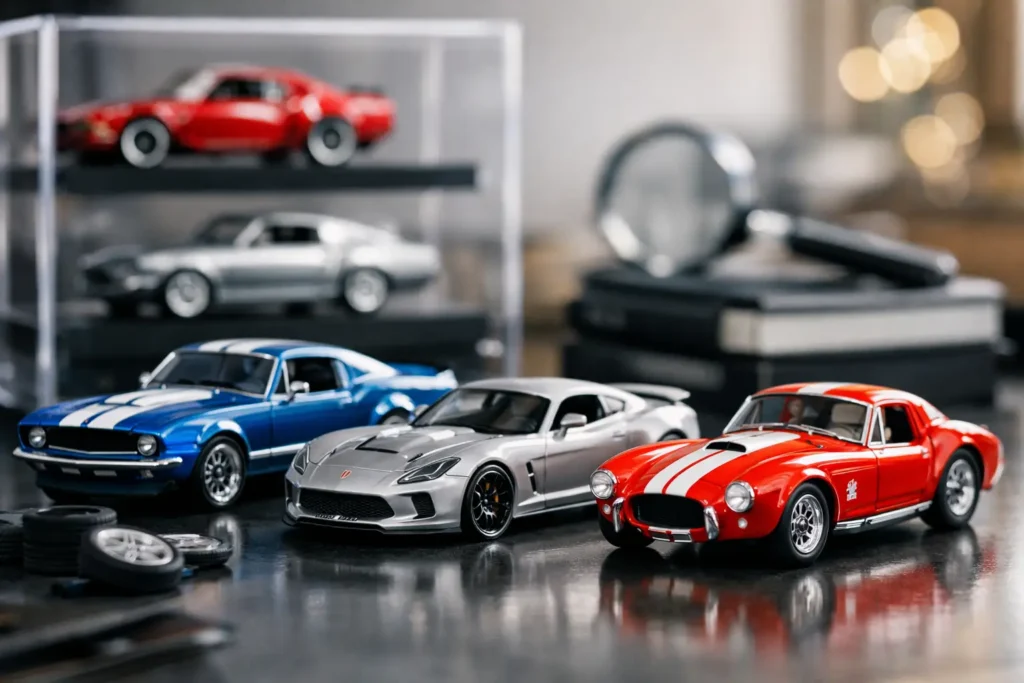
A standard release can be easy to admire and easy to replace. A limited run is different. When the casting, color, scale, and production details line up with a vehicle you genuinely care about, limited edition diecast cars become more than shelf decoration. They mark a race season, a favorite body style, a movie-era truck, a specific trim, or the one version that completes a focused collection.
For some collectors, that means a numbered 1/18 Ferrari with opening panels and a detailed engine bay. For others, it is a hard-to-find Hot Wheels Car Culture release, a drag-strip livery, or a custom truck in a colorway that disappeared from stores quickly. The common thread is specificity. The best pieces give you a clear reason to own that exact version rather than any miniature of the same vehicle.
What Makes a Diecast Release Limited?
“Limited edition” can mean several things, and collectors should not treat every use of the term as identical. Some manufacturers publish a fixed production quantity, such as 1,000 or 2,500 pieces. Others use the term for a special series, regional release, convention item, chase variation, retailer-exclusive color, or a production run that is simply smaller than its standard catalog models.
A stated quantity is useful, but it is not the only factor. A 5,000-piece model of an iconic 1969 Chevrolet Camaro Z/28 in a highly accurate factory color may draw more long-term interest than a 500-piece model with little connection to a recognizable vehicle, race team, or collector series. Rarity gets attention. Relevance is what keeps a model desirable.
Pay attention to the full product identity: manufacturer, scale, model year, trim, paint color, livery, series name, and any driver or event association. “Porsche 911” is broad. A 1/18 Porsche 911 GT3 RS with a specific year, color treatment, and limited-production designation is a much clearer collecting target.
Why Limited Edition Diecast Cars Appeal to Collectors
The appeal starts with the hunt. A limited release gives collectors a finish line and a reason to watch for new arrivals, compare versions, and build a wishlist before a model is gone. There is real satisfaction in finding the exact casting you missed at retail or finally tracking down the companion piece to a themed display.
Detail matters just as much. Limited models often receive features that separate them from more common releases: finer paint application, authentic wheel designs, opening doors or hoods, interior textures, tampo graphics, display bases, numbered certificates, or packaging designed for collectors. At larger scales, these details can make the difference between a nice replica and a model that holds attention every time you pass the shelf.
Then there is the story behind the vehicle. Motorsports collectors may look for a driver-associated Formula One car, an endurance racer, or a historic livery. Muscle car fans may focus on a particular year of Mustang, Corvette, or Dodge performance model. JDM enthusiasts may chase a recognizable Nissan, Toyota, Honda, or Subaru casting in the right wheel and graphic combination. Limited production makes that story feel more defined, but the story should come first.
Choose a Focus Before You Start Chasing Rarity
The fastest way to turn collecting into clutter is to buy every item labeled limited edition. A better approach is to choose a lane, then make exceptions only when a release truly earns its place.
Your focus can be broad enough to stay fun and narrow enough to stay organized. You might collect 1/24 classic American trucks, Ferrari road cars in red, Gulf-liveried race cars, Volkswagen buses, construction equipment, Boeing aircraft, or every release from a favorite Hot Wheels series. A theme helps you compare pieces on more than price. You can ask whether a new model adds something your display does not already have.
Scale deserves the same attention. A 1/18 collection creates a strong visual presence and allows for impressive detail, but it takes shelf space quickly. A 1/24 collection can balance detail with easier storage. Smaller diecast cars make it practical to pursue long runs, color variants, and themed sets without turning every available surface into parking space.
There is no wrong scale, but mixing scales without a plan can make a display feel accidental. If you collect across scales, organize by category or create separate zones for premium models, racing pieces, trucks, and carded releases.
How to Judge a Release Before Buying
Start with authenticity. Check that the model year, trim, wheels, ride height, body lines, graphics, and badging match the vehicle or version being represented. This is especially important with race cars and commercial vehicles, where one sponsor graphic, fleet marking, or driver name can define the release.
Next, look at the manufacturer and series. Established makers develop different reputations for scale accuracy, paint quality, opening features, and packaging. Series names also matter because collectors often pursue them as complete runs. A standalone custom truck may be appealing on its own, while a Car Culture or drag racing release may be more compelling because it belongs to a recognizable set.
Condition is part of the purchase, particularly for older releases and carded diecast. Look for clean blister packaging, intact corners, uncreased cards, undamaged acrylic cases, and original accessories when those details matter to you. Loose models can still be excellent display pieces, but they should be priced and judged differently from unopened examples.
Finally, be honest about your reason for buying. Are you purchasing it because you love the vehicle, because you are completing a set, or because you expect it to rise in value? The first two reasons tend to create the most satisfying collections. Value can increase, decrease, or stay flat depending on demand, condition, reissues, and how many collectors decide they want the same casting later.
Packaging, Certificates, and Display Choices
Original packaging can add collector appeal, especially for numbered editions, premium 1/18 replicas, convention releases, and carded models. A certificate of authenticity, display base, outer box, or serialized plaque may help document exactly what you own. Keep these items together, even if you prefer displaying the model outside its box.
That does not mean every limited model must remain sealed. Opening a diecast car lets you appreciate the interior, engine detail, suspension, and paint from every angle. If you bought a model because it belongs on a shelf beside related vehicles, display it. If the package design, card condition, or factory seal is central to its appeal, keeping it unopened may make more sense.
A practical middle ground is to preserve packaging while displaying the model. Store boxes in labeled bins away from moisture and direct sunlight. Use enclosed display cases or regular dusting for loose pieces. Sunlight can fade paint and card art over time, while heat and humidity can affect decals, rubber tires, and packaging adhesives.
Build a Collection You Will Still Enjoy Years From Now
Limited releases can create urgency, and sometimes that urgency is justified. A popular casting in a sought-after colorway may not stay available for long. Still, the smart move is not to chase everything. Set a budget, keep a wish list, and prioritize the models that fit your collection plan rather than the ones creating the loudest buzz.
Track the details of what you own. A simple record with the vehicle name, scale, manufacturer, series, purchase date, condition, and any edition number makes it easier to avoid duplicates and spot gaps. It also helps when you reorganize a display, insure a larger collection, or decide which pieces no longer fit your direction.
At Diecast Moto, collectors can shop with those details in mind: exact years, recognizable marques, scales, colors, and series are what make it possible to find a release that belongs in a specific collection rather than just another model on the shelf.
The most rewarding limited edition is not always the rarest or the most expensive. It is the one that makes you pause when you see it – the perfect race livery, the truck you remember from childhood, the classic muscle car in the right color, or the final piece that makes a display feel complete. Let that reaction guide the next space on your shelf.
