
Uncategorized
Why Hot Wheels Car Culture Draws Collectors
Jul
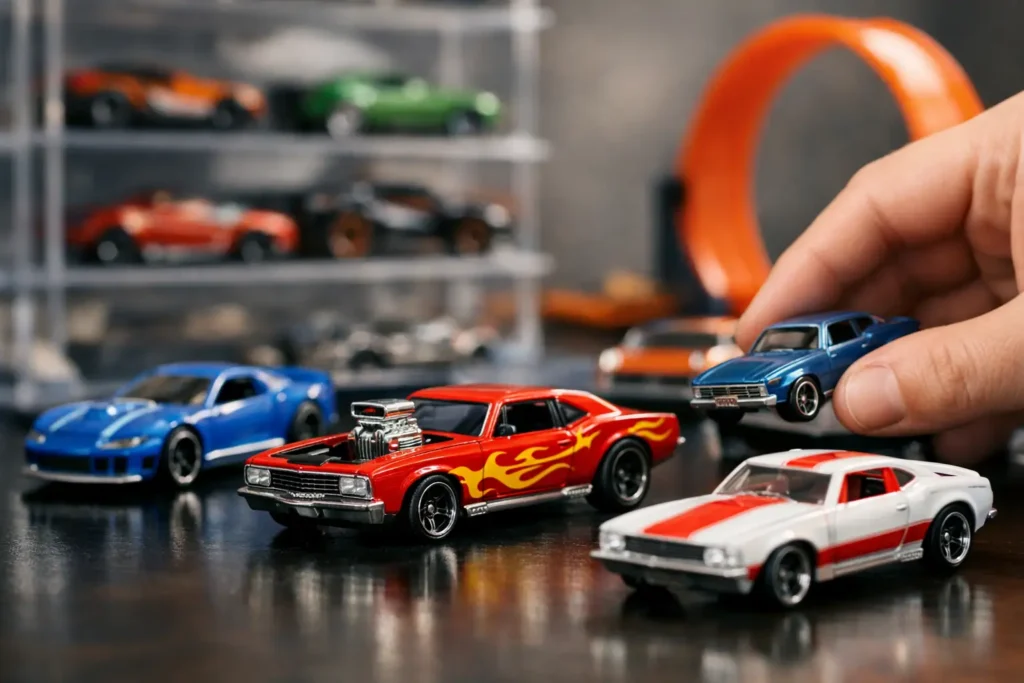
A Hot Wheels Car Culture release can turn a familiar car into something collectors stop for. It might be a Porsche 911 with period-correct graphics, a slammed Japanese coupe on deep-dish wheels, or a vintage American truck finished in a color that looks right at home in a real garage. These are not simply toy aisle finds. They are small, licensed tributes to the cars, scenes, and build styles enthusiasts already care about.
For collectors, Car Culture sits in a sweet spot between affordable diecast and display-focused detail. The line gives fans a reason to collect by theme, manufacturer, era, or automotive movement without needing to chase only large-scale models. That flexibility is a big part of its appeal, but the real draw is how much personality each release can carry.
What Makes Hot Wheels Car Culture Different?
Car Culture is generally recognized as Hot Wheels’ premium 1/64-scale line built around real automotive enthusiasm. Releases commonly feature metal bodies and metal chassis, along with Real Riders rubber tires. Those details change the look and feel immediately. A casting has more weight in hand, the wheels sit with greater realism, and the vehicle feels designed for a display case rather than a racetrack loop.
The licensed vehicle selection matters just as much. Car Culture regularly pulls from the cars that shape enthusiast conversations: classic muscle, European sports cars, Japanese performance machines, off-road 4x4s, vintage racers, custom vans, and more. A single mix can put a Datsun, a Volkswagen, a Mercedes-Benz, and a Chevrolet in the same conversation while still feeling connected by its theme.
Packaging also helps set the line apart. Card art often supports the series identity, whether the focus is endurance racing, desert trails, street-tuned imports, or an era-specific automotive scene. Many collectors keep cards intact because the package is part of the presentation. Others open every model to photograph, detail, or display it in a garage diorama. Neither approach is wrong – it depends on what makes the collection enjoyable for you.
Themed Releases Give a Collection Direction
The strongest Car Culture assortments do more than gather attractive vehicles. They create a point of view. A theme may spotlight a specific racing discipline, a regional car scene, a group of iconic brands, or a style of modification. That built-in connection makes it easier to decide which cars belong on your shelf.
A collector who loves Japanese domestic market vehicles may focus on Skylines, Silvias, RX-7s, and other import favorites. A muscle-car fan might look for Mustangs, Camaros, Chevelles, and Mopars with race-inspired liveries. Porsche collectors may build a row around 356, 911, 934, 935, and modern GT castings. The scale stays consistent while the stories behind the vehicles remain varied.
The appeal of complete sets
Completing a full assortment is satisfying because each model was selected to support the release theme. The cars may share colors, era cues, racing backgrounds, or body styles that look stronger together than they do individually. Full sets also make excellent gifts for collectors who have a clear interest but do not want the uncertainty of hunting each car separately.
Still, buying every release is not the only way to collect well. A selective collection can be more personal. One collector may keep only licensed race cars. Another may collect every variation of a favorite casting. Someone else may build a shelf of vehicles they have owned, driven, or admired since childhood. The best collection is not the largest one. It is the one that makes you want to look closer every time you pass it.
Details That Matter at 1/64 Scale
At this size, small choices carry a lot of weight. Wheel design can determine whether a model looks like a stock street car, a period drag machine, or a purpose-built track build. Paint can be equally important. Metallic finishes, racing stripes, sponsor graphics, tampo placement, and contrasting interiors give a casting its identity.
Collectors often pay attention to the model year and trim, especially when the real vehicle has distinct body changes. The difference between a widebody and standard body, a short-bed and long-bed truck, or a road car and racing version can matter more than a flashy color. Accurate branding and recognizable livery add another layer for motorsport fans who know the original cars.
That said, premium does not always mean perfect scale accuracy in every tiny detail. Hot Wheels has its own design language, and some castings lean into stance, wheel fitment, or stylized proportions. For many fans, that is part of the fun. If exact replication is the top priority, a larger 1/18 or 1/24 model may be the better choice. If you want a compact, expressive collection that can cover many vehicles and themes, Car Culture is hard to beat.
How to Build a Better Hot Wheels Car Culture Collection
Start with a collecting lane instead of trying to chase every new card. Pick an automotive category that already means something to you: air-cooled Volkswagen, American muscle, European touring cars, Japanese street machines, off-road trucks, or endurance racers. This gives your collection a recognizable identity and helps you make better decisions when new assortments arrive.
Next, decide how you want to display and store the models. Carded collectors should protect corners, blisters, and card backs from sunlight and humidity. Loose collectors can use compartment cases, acrylic displays, or wall-mounted 1/64 shelves. If you open models, keep the cards if series art and release information matter to your records later.
It also helps to track exact releases. Record the vehicle name, series name, colorway, and any special details that distinguish one version from another. This is especially useful when a casting appears in several mixes with similar colors or when you are working toward a complete themed set. A simple note on your phone can prevent accidental duplicates and make wish-list shopping more focused.
Collect for Enjoyment, Not Just Scarcity
Some Car Culture models become harder to find after release, especially popular castings from major brands or assortments with standout liveries. Scarcity can be part of the chase, but it should not be the entire reason for buying a model. Values can shift, restocks happen, and collector attention moves quickly from one release to the next.
The better question is whether the model earns its space in your collection. Does it represent a car you genuinely like? Does it complete a set you have been building? Does the color, wheel choice, or livery make you want to display it? Those are stronger reasons to buy than hype alone.
For gift buyers, this approach is useful too. You do not need to know every rare casting to choose well. Match the vehicle to the recipient’s interests. A Corvette fan will notice the right generation. A truck enthusiast will appreciate a well-executed square body or custom pickup. A racing fan may care most about a historic livery or a recognizable competition car.
A Small Scale With a Big Collector Community
Hot Wheels Car Culture works because it respects the fact that automotive taste is personal. One collector sees a race-winning Porsche. Another sees the car poster they had on their wall. Someone else sees a build they want to recreate in their own garage. The casting becomes a conversation piece, a display detail, or the next step in a long-running set.
Keep an eye on the vehicles and themes that genuinely fit your collection, and give yourself room to pass on the rest. The next great casting is always more rewarding when it has a place waiting for it.
