
Uncategorized
Diecast Model Cars: Build a Better Collection
Jul
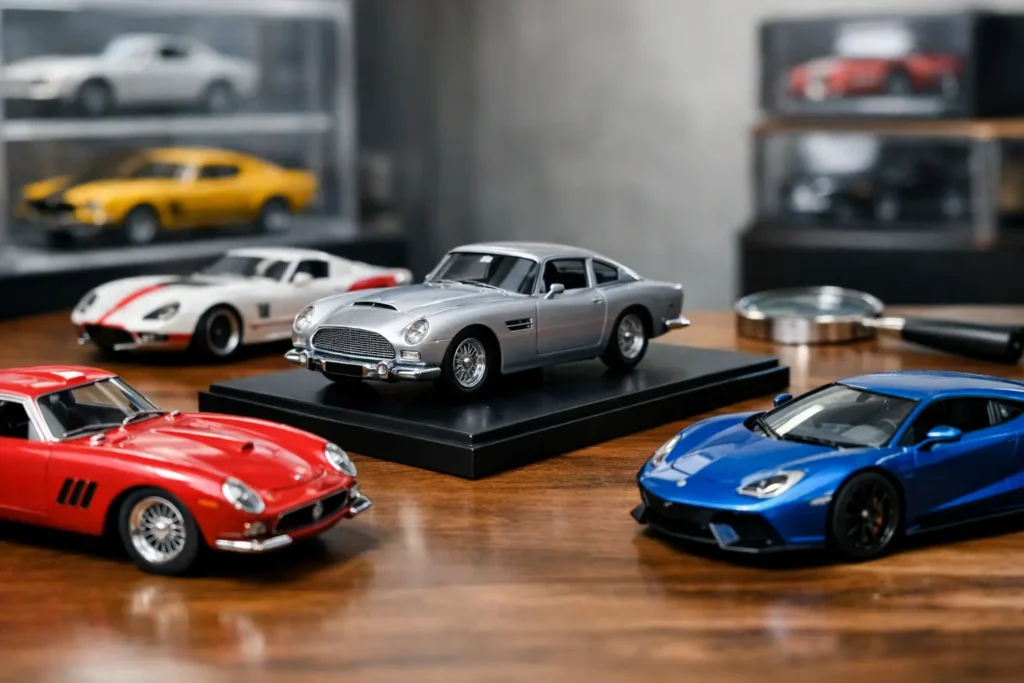
A 1/18 Ferrari with opening panels asks for a different kind of shelf space than a carded Hot Wheels Car Culture release. That is the fun of diecast model cars: every piece carries its own details, scale, story, and place in a collection. The best collections are not necessarily the biggest. They are the ones built around castings and vehicles their owners genuinely want to see every day.
Whether you are buying your first detailed model, chasing a color variant, or filling in a long-running Mustang, Porsche, or custom truck lineup, a little planning helps each new addition feel intentional.
Start With the Vehicles You Actually Care About
A collection gets stronger when it has a point of view. For one collector, that may mean every generation of Chevrolet Corvette. For another, it is JDM heroes in period-correct colors, Formula One cars with driver associations, or lifted trucks from recognizable series such as Just Trucks. There is no wrong lane, but trying to collect every release from every brand usually turns excitement into clutter.
Start with a simple question: what do you stop and look at first? It could be a 1969 Ford Mustang Boss 429, a Lamborghini in a factory colorway, a Volkswagen bus with vintage graphics, or a race car wearing a livery you remember from a favorite season. Those answers give your collection a theme without making it restrictive.
Themes can be broad or tightly focused. A collector might group cars by manufacturer, decade, motorsport discipline, body style, or paint color. A more specialized display could focus on 1/24 American muscle, 1/18 European exotics, or only premium Hot Wheels releases on card. The more specific the goal, the easier it becomes to recognize which purchases move the collection forward.
Build Around a Few Collection Lanes
Most collectors benefit from having two or three lanes instead of one massive wish list. You might keep a primary focus on Porsche road cars, a smaller lineup of favorite drag racers, and a few wild-card castings simply because they look great. This approach leaves room for surprise finds without losing the identity of the collection.
It also makes budgeting easier. Premium-scale models, limited editions, and older discontinued releases can command more shelf space and more money than a standard 1/64 car. Knowing which lane matters most tells you where to be patient and where a quick pickup is perfectly reasonable.
Choosing Diecast Model Car Scales
Scale is more than a number on a package. It determines the level of visible detail, how much display room you need, and how pieces look together. Before committing to a large run of models, measure a shelf, cabinet, or wall display. A model that looks small in a product photo can take up serious space once it arrives.
1/64: Easy to Grow, Hard to Stop
For many collectors, 1/64 is the everyday heartbeat of the hobby. It includes familiar names such as Hot Wheels and a huge range of licensed cars, trucks, race vehicles, and themed series. These models are compact, affordable compared with larger scales, and ideal for collecting by casting, series, or color variation.
The trade-off is volume. A few 1/64 releases fit almost anywhere. A few hundred need storage, organization, and a clear decision about whether cars stay carded or come out for display. Carded pieces preserve package art and series context, while loose models make it easier to appreciate wheel designs, side tampo work, and stance. Neither choice is automatically better. Buy and keep them in the way that makes the hobby enjoyable for you.
1/24: A Strong Middle Ground
A 1/24 model offers more presence without demanding the footprint of a large premium piece. It is a practical choice for collectors who want recognizable trim details, finished interiors, and carefully reproduced body lines while building a display that can still hold variety.
This scale works especially well for classic American cars, custom trucks, and iconic street machines. When comparing releases, check the exact year, trim, wheel treatment, and color. A 1970 Chevelle SS and a 1970 Chevelle in another trim may share a general silhouette but represent very different collector targets.
1/18: Detail Worth Displaying
At 1/18, a diecast becomes a centerpiece. Opening doors, hoods, trunks, detailed engine bays, accurate badging, brake components, and realistic interiors can turn a favorite vehicle into a model you inspect from every angle. This is often the scale collectors choose for landmark cars: a Ferrari, Mercedes-Benz, BMW, Corvette, or a race-winning machine with a specific driver and livery.
The trade-off is straightforward: 1/18 models cost more and need more room. It makes sense to buy fewer pieces at this scale and choose them with care. A well-lit case containing six cars you love will usually feel better than a crowded shelf of models you bought only because they were available.
Read the Details Before You Buy
Collector listings are packed with information because small differences matter. The model year, manufacturer, scale, series name, color, edition status, and vehicle trim are not filler. They tell you exactly what you are adding.
Pay attention to whether a release is a standard production model, a limited edition, a chase-style variation, or part of a named collection. A vehicle may appear in several versions over time, with different wheels, graphics, packaging, or paint. If you are completing a set, the series designation can matter as much as the car itself.
For motorsport pieces, driver association and livery deserve the same scrutiny. Two cars based on the same chassis can represent entirely different races, teams, or seasons. Aircraft collectors face a similar choice with airline markings, registration details, and special liveries. Precision is part of what makes the search satisfying.
If a model will be a gift, the details still help. Start with the recipient’s favorite make, a car they used to own, a dream vehicle, or a racing team they follow. A correctly chosen 1/64 casting can be more meaningful than a larger model of a car they do not care about.
Display for Enjoyment, Not Just Storage
A collection should be easy to see. Direct sunlight can fade packaging, paint, and printed graphics over time, so choose a display location away from harsh windows. Dust is another reality, particularly for loose models with detailed interiors. Enclosed display cases are useful for 1/18 and 1/24 pieces, while wall-mounted or compartment-style storage can keep smaller models visible and organized.
Try arranging by a visual connection rather than simply lining up purchases in the order they arrived. Put all your Ford performance cars together. Create a row of yellow exotics. Build a racing section by era or manufacturer. Mixing scales can work, but it looks more deliberate when larger models are given their own shelf instead of being crowded among 1/64 cars.
Keep original boxes when possible, especially for premium and limited pieces. Boxes provide practical protection if you move, rearrange, or rotate displays. They can also preserve model identification details that are easy to forget years later.
Collect With a Wish List, Not a Panic Button
Limited production and popular releases can create pressure to buy immediately. Sometimes that is justified, especially when a specific casting or colorway fits a carefully built set. But the better long-term habit is maintaining a wish list with priorities.
List the exact model, year, scale, finish, and series you want. That prevents near-misses, such as buying the wrong generation of a car or a similar release that does not match the set you are building. It also helps you notice when a new arrival at Diecast Moto is a real collection piece rather than an impulse purchase.
Set a monthly amount for the hobby if you need one, and leave a little flexibility for unexpected favorites. Collecting should have room for the vehicle that was never on your list but instantly earns a place on the shelf. The goal is not to make every purchase perfect. The goal is to make each one feel like yours.
A good next step is simple: choose one shelf, one scale, or one vehicle family to improve this month. Find the gap that keeps catching your eye, then fill it with a model you will be glad to display for years.
