
Uncategorized
Collectible Farm Vehicles Worth Displaying
Oct
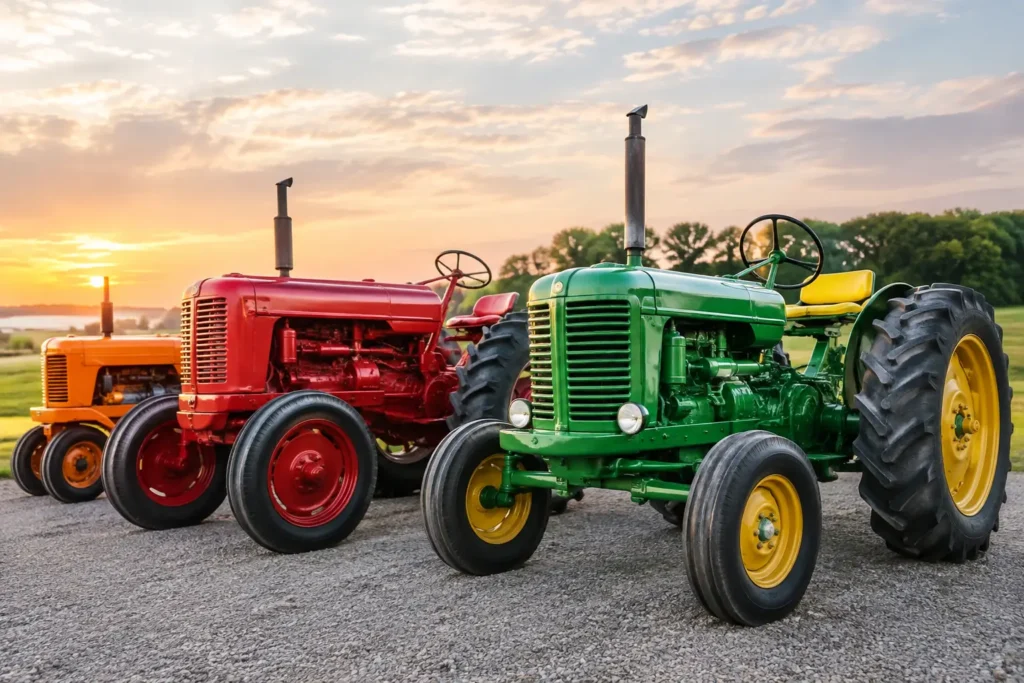
A red tractor with a weathered-looking plow, a bright green combine, and a pickup towing a livestock trailer can turn one shelf into a working farm scene. That is the appeal of collectible farm vehicles: they carry real machinery, regional memories, and serious scale-model detail in a format that is easy to enjoy every day.
For some collectors, the goal is a lineup of iconic tractors from the brands they grew up seeing in the field. For others, it is a complete miniature operation with harvesters, wagons, implements, and farm trucks. Either approach works. The best collection is not defined by how many pieces it has, but by how clearly each model earns its place.
Why collectible farm vehicles have lasting appeal
Farm equipment models sit at a fun intersection of industrial design and American nostalgia. A muscle car may be recognized for its horsepower and paint, while a tractor is remembered for the acres it covered, the season it helped finish, or the family member who ran it. Details such as a narrow front end, cab style, wheel configuration, loader attachment, or period-correct decals can mean a great deal to the collector who knows the real machine.
They also offer variety without losing focus. One display can span early steel-wheeled tractors, mid-century workhorses, modern four-wheel-drive machines, combines, sprayers, balers, and utility vehicles. That range makes farm replicas especially satisfying for collectors who like to build by era, manufacturer, scale, or task.
There is a trade-off, of course. A broad equipment collection can become unfocused quickly. Before buying at random, decide whether you are building a brand lineup, recreating a family farm, collecting a certain decade, or assembling a detailed diorama. A simple collecting rule makes every new piece easier to evaluate.
Choose a scale before building the fleet
Scale is one of the first specifications to check on any model. It determines how a tractor looks next to a truck, whether implements fit the scene, and how much display room the collection will need.
1/64 scale for variety and field scenes
1/64 scale is a familiar choice for collectors who want a large fleet without giving up an entire room. It works well for tractors, grain trucks, pickups, trailers, and accessories arranged in a barnyard or field setting. Small models can still have impressive graphics and recognizable shapes, but tiny parts are more likely to be simplified or fragile.
This scale is also a strong option for a themed display. You can line up several generations of one tractor family, build a harvest convoy, or add construction equipment and commercial trucks without making the scene feel mismatched.
1/32 scale for equipment detail
1/32 scale gives farm machinery more presence. Tires, steering wheels, cab interiors, hitch assemblies, and implements are easier to appreciate, while the models remain manageable for a shelf or case. It is a practical middle ground for collectors who care about detail but do not want the footprint of the largest replicas.
1/16 scale for centerpiece models
A 1/16 tractor is often a display piece first and a collection builder second. These models can show off engine compartments, accurate cab layouts, working steering, articulated frames, and detailed implements. They look fantastic as a centerpiece, especially when paired with a period sign, dealership display, or matching attachment.
The catch is space. A single large tractor with a planter or combine header can claim more room than dozens of smaller castings. Measure the shelf depth as well as the width before committing to a 1/16 lineup.
What separates a strong farm model from an ordinary one
Exact specifications matter in farm collecting just as much as they do with diecast cars. Start with the machine itself: model year or production era, manufacturer, series, horsepower class, body style, and wheel setup. Then look at the details that bring the replica to life.
Paint and decal quality are easy indicators. Crisp logos, readable warning labels, clean striping, and even color coverage make a major difference. On a vintage model, accurate graphics can be the feature that identifies a specific generation. On modern equipment, small details such as hazard markings, work lights, mirrors, exhaust stacks, and cab glass separate a basic toy-like model from a collector-focused release.
Material and construction deserve a close look, too. Diecast metal bodies provide satisfying weight, while plastic is often necessary for fine parts such as railings, lights, handholds, and implement components. Neither material is automatically better. What matters is clean assembly, properly seated wheels, straight axles, and parts that look proportional to the real machine.
If a model includes moving features, test them carefully when possible. Functional steering, opening panels, lift arms, articulated joints, or detachable headers add value to the experience. They also introduce more points of failure, especially on older releases or models that have been displayed loose for years.
Build around a story, not just a logo
Brand collecting is popular for a reason. A row of machines in matching colors has immediate visual impact, and it gives you a clear checklist for future additions. But the most memorable displays usually have a story behind them.
A 1950s collection might pair a vintage tractor with a period pickup and a small implement. A harvest display can center on a combine, grain cart, semi truck, and auger wagon. A modern operation may include a high-horsepower articulated tractor, planter, sprayer, service truck, and utility vehicle. The vehicles do not need to be from the same release line to work together. They need compatible scale, believable proportions, and a shared purpose.
This is where cross-category collecting gets interesting. Farm equipment does not operate in isolation. Adding a work truck, a trailer, a construction loader, or a fuel delivery vehicle can make a farm display feel active rather than static. Keep colors and eras intentional, though. A modern truck next to a 1940s tractor can be a great contrast, but only if the mix is part of the plan.
Condition, packaging, and collector value
For a model intended for display, a tiny packaging crease may not matter. For a limited release or a collector who wants to preserve long-term value, original packaging can be a major part of the purchase. Boxes, blister cards, inserts, certificates, and unopened accessories help document exactly what the item is.
Inspect loose models for paint chips around fenders, sun-faded decals, missing mirrors, cracked hitch points, bent handrails, and loose tires. On tractors with rubber tires, watch for residue or deformation caused by long-term storage. On combines and implements, make sure the smaller detachable pieces are present. A missing header, bale, or toolbar can be difficult to replace later.
Do not assume older always means rarer or more valuable. Production numbers, condition, package completeness, regional distribution, and collector demand matter more than age alone. A recent limited edition in excellent condition may be more difficult to find than a much older mass-market tractor.
Display and store models like equipment, not clutter
Farm replicas reward organized displays. Group models by scale first, then by era, manufacturer, or job. A shelf of tractors looks sharper when wheel heights line up and the larger pieces are spaced far enough apart for each cab, hood, and implement to be seen.
Keep models away from direct sunlight, which can fade paint and decals over time. A covered display case limits dust, especially around detailed engine bays and farm implements with many small parts. When storing boxed pieces, avoid damp basements, hot attics, and heavy stacking that can crush packaging or warp plastic windows.
For collectors who prefer an active-looking layout, leave a little open space. A tightly packed lineup may hold more models, but a tractor with room around its wheels and attachment usually looks more impressive than one buried between boxes.
The next great addition does not have to be the rarest piece on the market. It might be the tractor that matches a photograph from your family farm, the combine that completes a harvest scene, or the work truck that finally makes the display feel finished. Collect with a clear eye for scale and detail, then let the machines tell the story you want to keep.
