
Uncategorized
JDM Diecast Cars for Sale Collectors Want
Aug
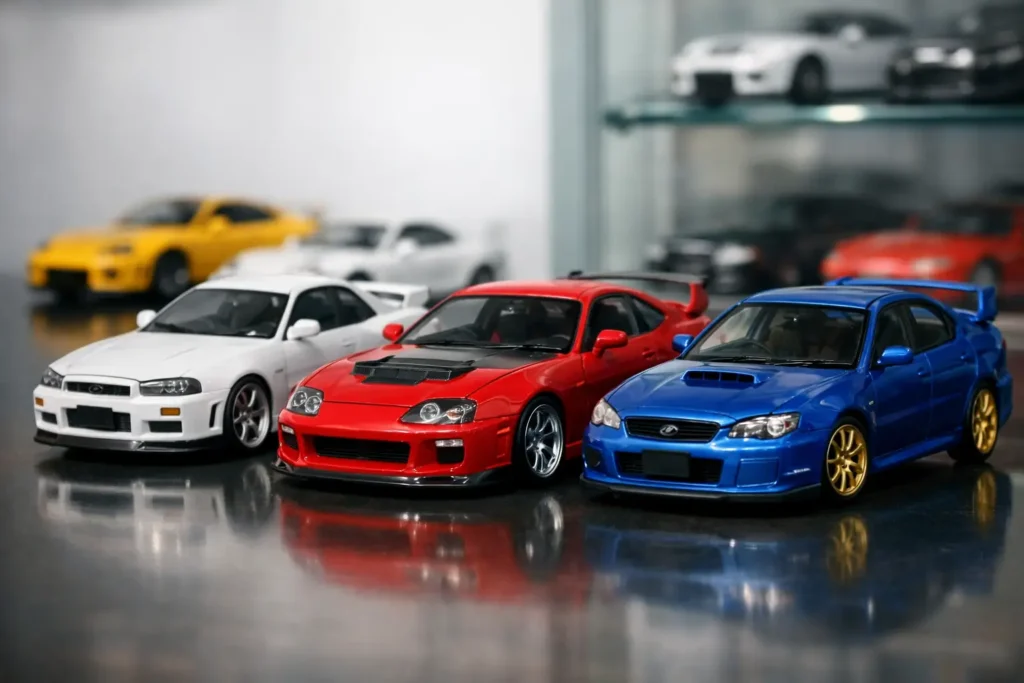
A white Honda Civic Type R, a midnight-blue Nissan Skyline GT-R, or a bright yellow Mazda RX-7 can say more about a collection than a shelf full of random releases. The best JDM diecast cars for sale give collectors a recognizable piece of Japanese performance history, right down to the wheels, tampo details, factory color, and era-correct body style.
JDM, short for Japanese Domestic Market, has become a broad collector category. In diecast, it can include vehicles originally built for Japan as well as Japanese-brand performance cars that gained a following worldwide. That leaves room for everything from a boxy Toyota AE86 and a kei truck to a track-ready Mitsubishi Lancer Evolution or a famous Nissan Z. The right model depends on what you collect, how you display it, and how much detail matters to you.
Why JDM Diecast Cars for Sale Stay in Demand
Japanese performance cars have a rare mix of real-world credibility and pop-culture appeal. The Nissan Skyline GT-R built its reputation through racing and tuning. The Toyota Supra became a hero car for an entire generation of movie and video game fans. Honda Civics, Acura Integras, Mazda RX-7s, and Subaru WRXs earned their place through accessible performance, distinctive engineering, and strong aftermarket communities.
That history translates naturally to diecast collecting. A model can represent a factory-original street car, a race machine, a drift build, a period-correct tuner, or a custom widebody interpretation. For collectors, those are not interchangeable versions. A 1995 Mitsubishi Eclipse in stock trim tells a different story than a modified import tuner release with aftermarket wheels and a graphic livery.
Limited production also keeps the category exciting. Certain castings, color variations, chase pieces, and premium series releases can become difficult to locate after they leave retail. Availability changes quickly, especially for popular Hot Wheels Car Culture assortments and detailed 1/18 or 1/24 replicas. Buying a model because you like the car is usually more satisfying than chasing every release strictly for resale value.
Start With the Japanese Icons You Actually Want
A focused collection looks intentional, even when it grows over years. Some collectors build around one manufacturer, such as Nissan, Toyota, Honda, Mazda, or Subaru. Others choose a time period, like 1980s Japanese classics, 1990s turbo legends, or early-2000s sport compact favorites.
Another strong route is collecting by body style. A shelf of coupes might pair a Toyota Supra, Nissan Silvia, Mazda RX-7, and Honda Prelude. A sedan-focused display could include Subaru Impreza WRXs, Mitsubishi Lancer Evolutions, and classic Toyota or Nissan four-doors. Trucks and vans deserve a place too. Compact Japanese pickups, delivery vans, and customized mini trucks bring variety without leaving the JDM theme.
Think about the version of the vehicle before you buy. The year, trim, color, and livery are collector details, not small print. A Nissan Skyline GT-R R32, R33, and R34 may share a name, but each has its own shape and following. The same applies to a Toyota AE86 coupe versus hatchback, or a Mazda RX-7 FC versus FD. Exact identification makes a collection easier to organize and more rewarding to revisit.
Stock, Racing, and Custom Releases
Factory-style replicas are ideal when you appreciate original paint colors, clean body lines, and showroom presentation. They work especially well in larger scales, where opening doors, detailed interiors, engines, brake rotors, and realistic badges can stand out.
Race and rally models add driver associations, sponsor graphics, car numbers, and competition history. These pieces can become the center of a motorsport display, particularly when displayed with other Japanese race cars from the same era.
Custom and tuner releases are often the most expressive. Lowered suspension, deep-dish wheels, body kits, and bold graphics reflect the scene that made many Japanese cars cultural icons. They may not suit a factory-stock collection, but they bring energy to a display built around street machines, drift culture, or modern custom builds.
Choose a Scale That Fits Your Collection
Scale affects the look, price, storage needs, and level of detail you can expect. There is no single best scale. The better question is whether the model fits the way you collect.
Small-scale diecast, including 1/64 releases, is a practical choice for collectors who want a broad lineup without giving up much space. This is where many enthusiasts build rows of Skylines, Supras, Civics, and Datsuns across multiple colors and series. Premium small-scale pieces can still feature metal bodies, Real Riders-style rubber tires, detailed graphics, and display-ready packaging.
A 1/24 model offers more visual presence while remaining easy to place on a desk or shelf. It is a good middle ground for gift buyers and collectors who want recognizable detail without committing to the footprint of a larger replica.
At 1/18 scale, the vehicle becomes a display piece. These models are often chosen for a favorite car rather than every variation of a casting. Look for accurate panel lines, convincing wheel fitment, clean paint, interior detail, and opening features when applicable. A carefully selected 1/18 Nissan GT-R or Toyota Supra can anchor an entire JDM shelf.
Before ordering, measure the display area and check whether you plan to keep packaging. Carded 1/64 releases take less room than boxed 1/18 models, but a complete card wall requires space too. Planning for the display prevents favorite finds from ending up stored away.
What to Check Before You Buy
Collector listings should make it easy to identify the exact release. Start with the model year, vehicle name, manufacturer, scale, color, and series. Those details help separate a specific piece from a generic description and reduce the chance of buying the wrong variation.
For boxed or carded models, packaging condition matters if you collect sealed pieces. Check for corner wear, bent cards, cracked blisters, dents, window-box scuffs, or fading. A loose model can still be an excellent buy for a display collection, especially when the casting itself is clean and complete. The trade-off is simple: sealed, mint packaging generally matters more to package-focused collectors, while loose models can offer better value for collectors who want the car on the shelf.
Pay attention to photos and product specifications when available. Wheel style, paint shade, decals, interior color, and included display bases can differ between releases that appear nearly identical at first glance. For premium models, details such as opening parts, rubber tires, steering, and engine bay finishing may justify a higher price.
It also helps to separate rarity from personal importance. A limited edition is exciting, but a common casting of the exact car you drove, owned, or dreamed about owning can be the better addition. The strongest collections have a point of view.
Build a Display With a Story
A JDM display becomes more memorable when the cars relate to each other. You might arrange a Nissan row from classic Datsuns through GT-R generations, or build a rotary-powered section with several Mazda RX models. Another option is a street-versus-track layout: stock Japanese coupes on one shelf and racing or tuner versions below.
Color can create a clean visual rhythm. White, silver, black, and red factory colors look sharp in a period collection, while neon liveries and bright custom paint bring a more playful style. If space is limited, choose one hero model in 1/18 or 1/24 scale and surround it with related 1/64 castings.
Diecast Moto collectors often shop with exact vehicles in mind, which is the best way to approach this category. Search for the year, model, and series you want, then compare the attributes that matter to your display rather than settling for a close match.
The next great addition does not have to be the rarest model on the market. It can be the AE86 that starts your Toyota row, the Skyline that completes a generation set, or the RX-7 that finally gives your shelf the shape and color it was missing.
